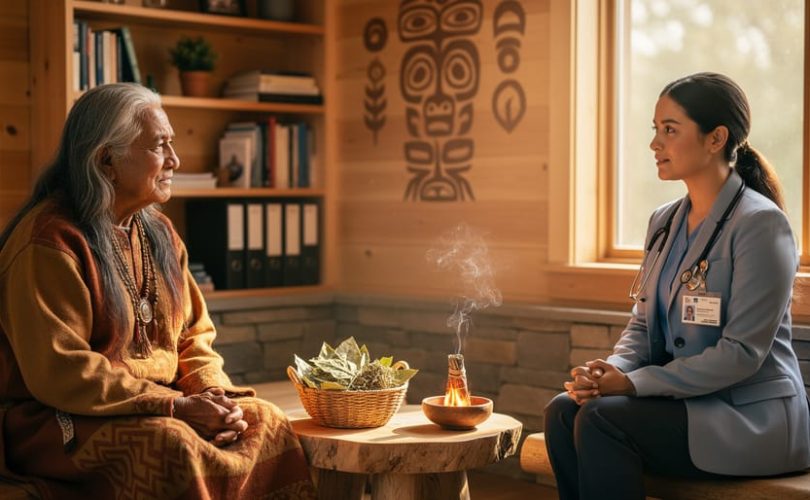
Indigenous healing practices encompass traditional knowledge systems, ceremonial approaches, and holistic treatments developed and refined over thousands of years by First Nations, Métis, and Inuit peoples across Canada. As an international medical graduate preparing to practice in Canadian healthcare settings, you need to understand these practices not as historical artifacts but as living, evolving approaches to health and wellness that many of your patients actively use alongside or instead of Western biomedical care.
The difference matters immediately in your clinical work. While Western medicine typically focuses on diagnosing and treating specific diseases or symptoms, Indigenous healing takes a holistic view that addresses physical, mental, emotional, and spiritual dimensions of wellness simultaneously. Healing circles, smudging ceremonies, traditional plant medicines, and guidance from Elders represent just some of the approaches your patients may engage with, and your ability to respectfully acknowledge and work within this reality directly affects both patient trust and health outcomes.
Canadian medical regulators and employers now expect demonstrated cultural competency in working with Indigenous patients and communities. This shift reflects a broader recognition that colonial healthcare practices contributed to significant harms and ongoing health disparities. You will encounter this expectation during licensing processes, job interviews, and continuing professional development requirements throughout your career in Canada.
The practical challenge you face is real: how do you bridge your medical training with healing traditions you may never have encountered before? How do you ask the right questions without appearing dismissive or appropriating practices not meant for you? How do you document traditional healing use in patient charts while maintaining respect and confidentiality?
This guide provides concrete strategies for integrating cultural competency into your daily practice, from your first patient interaction to ongoing collaboration with traditional healers and Indigenous healthcare teams.
Understanding Indigenous Medicine in the Canadian Context
The Holistic Approach to Health and Wellness
Indigenous healing views health as an interconnected balance of physical, mental, emotional, and spiritual dimensions. Rather than treating isolated symptoms, traditional healers assess how disruptions in one area affect the whole person and their relationships with family, community, and the natural world.
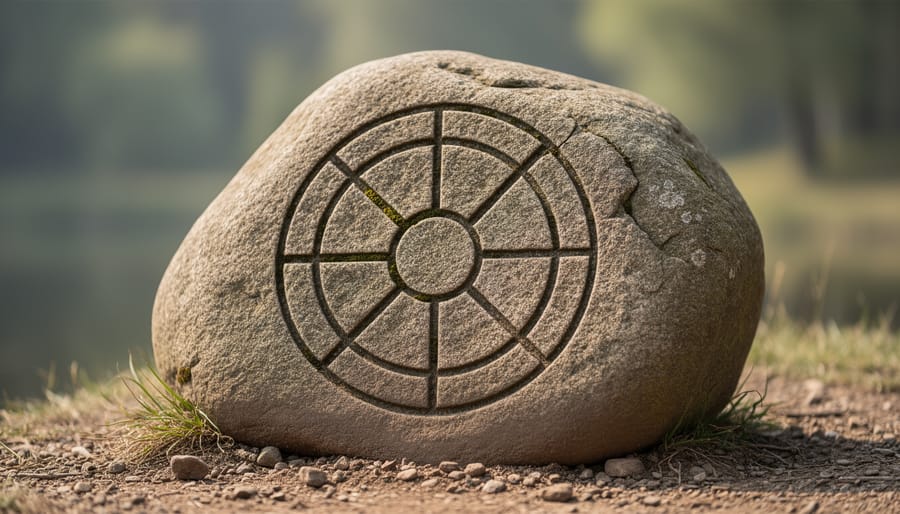
The Medicine Wheel, used by many Indigenous nations across Canada, illustrates this holistic philosophy. While specific interpretations vary by community, the wheel typically represents the four aspects of wellness and their interdependence. Physical health connects to mental clarity, which influences emotional balance, which in turn affects spiritual well-being. Healing requires addressing all four quadrants, not just the body presenting symptoms.
This contrasts sharply with the biomedical model most IMGs learned in training. Western medicine excels at diagnosing and treating specific pathologies but often overlooks how psychological stress, social isolation, or spiritual disconnection contribute to physical illness. A patient presenting with chronic pain, for example, might receive pharmaceuticals targeting physiological mechanisms while the underlying grief, trauma, or community disconnection remains unaddressed.
For IMGs entering Canadian practice, understanding this holistic framework is essential. Indigenous patients may describe their health concerns differently than you expect, connecting physical symptoms to spiritual imbalance or community disruption. They may seek healing from traditional practitioners alongside medical treatment, addressing dimensions of wellness your training did not emphasize.
Recognizing these different frameworks allows you to ask better questions, understand treatment decisions, and collaborate more effectively with patients and traditional healers.
The Role of Elders and Knowledge Keepers
In Indigenous communities, healing knowledge passes from generation to generation through oral traditions, with Elders and Knowledge Keepers serving as the primary guardians of this wisdom. Unlike Western medical education’s emphasis on written texts and standardized curricula, Indigenous healing practices are learned through direct mentorship, storytelling, and experiential teaching. As an IMG, you’ll need to understand that an Elder’s guidance often carries the same or greater weight in health decisions than your medical degree.
When Indigenous patients consult with Elders before or during medical treatment, they’re not simply seeking a second opinion. They’re engaging with trusted authorities who understand health through a cultural lens that considers family, community, and spiritual dimensions alongside physical symptoms. You may encounter situations where a patient wants to follow an Elder’s recommendations for ceremonial healing, plant medicines, or timing of treatment based on seasonal or spiritual considerations.
Respect this decision-making structure by asking patients if they’d like their Elder or Knowledge Keeper involved in care planning conversations. Some healthcare facilities now include protocols for Elder consultation, much as you might arrange interpreter services. Recognize that you’re being invited into a healthcare relationship that existed long before your involvement, and your role is to work alongside, not override, these traditional authorities. This collaborative approach builds trust and leads to better adherence to treatment plans that honour both medical science and cultural healing practices.
Common Indigenous Healing Practices You’ll Encounter
Plant Medicines and Traditional Pharmacology
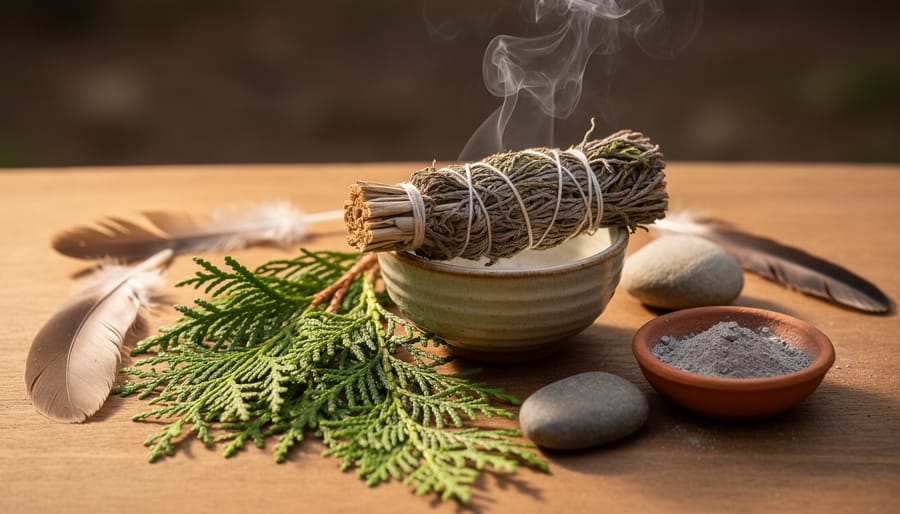
Indigenous communities across Canada have sophisticated pharmacological knowledge passed down through generations, rooted in relationships with local plants and ecosystems. Traditional plant medicines include preparations like sage for purification and respiratory support, cedar for antimicrobial properties, sweetgrass for ceremonial and calming purposes, and willow bark (containing salicin, similar to aspirin) for pain and inflammation. Many patients view these medicines not just as treatments but as part of culture as medicine integral to their identity and wellness.
As an IMG, you’ll encounter patients using traditional medicines alongside pharmaceuticals. Your role is to create space for honest conversation rather than dismissing these practices. Ask patients what medicines they’re taking, including traditional preparations, and listen without judgment. While clinical evidence varies, some plants have been well-studied, others rely on generations of empirical knowledge, your focus should be on understanding the full picture of what your patient is using.
Watch for potential interactions between traditional medicines and pharmaceuticals, particularly with anticoagulants, diabetes medications, or immunosuppressants. Approach these conversations collaboratively: “I want to make sure all your medicines work well together. Can you tell me more about how you prepare and use that medicine?” This opens dialogue rather than creating resistance. When you don’t know the answer, admit it and offer to research together or consult with an Elder or traditional healer who understands both the plant medicine and Western pharmacology.
Ceremony and Spiritual Healing
Ceremonial practices form an essential component of healing for many Indigenous patients, encompassing activities like smudging, sweat lodge ceremonies, pipe ceremonies, and various traditional rites. These ceremonies address spiritual and emotional dimensions of illness that Western medicine often overlooks. For patients facing serious diagnoses, undergoing major treatments, or managing chronic conditions, participating in traditional ceremonies can provide crucial psychological support, strengthen community connections, and reinforce cultural identity, all factors that influence health outcomes.
As a physician, you don’t need to understand every ceremonial detail, but you should recognize that these practices serve genuine therapeutic purposes beyond what a biomedical framework might capture. When patients mention attending a healing ceremony or working with a traditional healer, treat this information with the same respect you would any other aspect of their care plan. Ask open questions: “How does that practice help you?” or “Is there anything I should know to support you better?”
Supporting ceremonial healing means making practical accommodations when possible. This might include scheduling appointments around important ceremonies, allowing ceremonial items in hospital rooms where safe, or facilitating access to traditional healers when patients request it. If a patient wants to smudge before surgery or bring sacred items into treatment spaces, work with your facility to find solutions rather than defaulting to institutional barriers.
The key is maintaining respect without crossing into appropriation or tokenism. Never participate in or observe ceremonies uninvited, and don’t ask patients to educate you during their own care. Instead, seek learning opportunities separately through formal training, community resources, or Indigenous health mentors who can guide your professional development.
Integrating Traditional and Western Medicine in Practice
Building Collaborative Relationships with Traditional Healers
Establishing trust with Elders and traditional healers takes time and genuine respect for their knowledge systems. Start by recognizing that these relationships aren’t transactional referrals between colleagues with equivalent training backgrounds. You’re entering a space where authority derives from lived experience, community recognition, and spiritual calling rather than institutional credentials.
When you identify a patient who might benefit from traditional healing, first ask them who they work with or trust in their community. Many Indigenous patients already have relationships with specific healers or Elders. If they don’t, inquire whether your healthcare facility has established connections with local knowledge keepers. Some hospitals and community health centers maintain formal partnerships with traditional practitioners who can be consulted as part of care teams.
Protocol matters deeply. Before reaching out to a traditional healer, ask your patient or Indigenous colleagues about appropriate etiquette. This might include offering tobacco as a sign of respect, scheduling meetings at times convenient for the Elder, or bringing your questions through a cultural liaison rather than directly. Never assume you can cold-call a traditional healer the way you might contact a specialist.
When creating integrated care plans, document the patient’s traditional healing practices in their chart just as you would any other treatment. Note ceremonies, medicines, or healing sessions they’re participating in. Share relevant medical information with traditional healers only with explicit patient consent, and understand they may not communicate in Western clinical frameworks. The goal isn’t to translate their practice into your language but to ensure treatments complement rather than contradict each other.
Navigating Potential Drug Interactions and Safety Concerns
Traditional medicines can present genuine clinical considerations that require your attention as a practitioner. Your responsibility is to ensure patient safety while respecting their healing choices, and this starts with creating an environment where patients feel comfortable disclosing all treatments they’re using.
Begin every patient history by asking open, non-judgmental questions: “Are you using any traditional medicines, teas, or remedies?” rather than only asking about prescription medications. Many patients won’t volunteer this information if they fear dismissal or criticism. When a patient shares that they’re using traditional medicine, respond with curiosity, not concern. Ask what it is, how they’re using it, and why it’s important to their healing.
Some plant-based medicines can interact with pharmaceuticals. Certain traditional remedies may affect blood clotting, blood sugar regulation, or how the liver processes medications. Rather than issuing blanket warnings or demanding patients stop, work collaboratively. If you’re unfamiliar with a specific plant medicine, acknowledge this honestly and offer to research it together or consult with the traditional healer involved in their care.
Document all traditional treatments in the patient record just as you would prescribed medications. This creates continuity of care and helps identify patterns if complications arise. When you do have safety concerns, frame the conversation around supporting their healing goals: “I want to make sure everything you’re using works together safely. Can we talk about timing or dosages?” This approach maintains trust while addressing legitimate risks, positioning yourself as a partner in their care rather than an authority figure dismissing their choices.
Cultural Safety and Humility for IMGs
Understanding Historical Trauma and Health Inequities
As an IMG, you’ll need to understand the broader historical context that shapes your Indigenous patients’ experiences with healthcare systems. Colonial policies in Canada included forced relocation, residential schools that separated children from families, and prohibitions on cultural and spiritual practices. These policies disrupted traditional ways of life and caused intergenerational trauma that continues to affect health today.
This history has created legitimate distrust of medical institutions among many Indigenous people. Healthcare systems were sometimes used as instruments of colonial policy, and some Indigenous people experienced coercive or disrespectful treatment in medical settings. When a patient seems hesitant to engage with your care plan or questions your recommendations, recognize that this wariness often stems from collective historical experience rather than personal rejection of you as a physician.
The health impacts are tangible. Indigenous communities face higher rates of chronic diseases, mental health challenges, and shorter life expectancy compared to other Canadians. These disparities don’t result from biology or individual choices, they’re rooted in social determinants of health like poverty, housing insecurity, and limited access to services, all connected to historical and ongoing systemic barriers.
Understanding this context helps you interpret patient behavior more accurately and respond with empathy rather than frustration. It shifts your perspective from “Why won’t this patient follow treatment?” to “What barriers and past experiences might be affecting this person’s trust in me and this system?” That reframing is essential to building therapeutic relationships.
Practicing Self-Reflection and Ongoing Learning
Cultural safety begins with honest self-examination. Start by acknowledging that everyone carries biases shaped by their own cultural background and medical training. Set aside regular time, perhaps monthly, to reflect on your clinical interactions: Did you make assumptions about a patient’s beliefs? Did you interrupt when someone mentioned traditional healing? Did you feel uncomfortable with unfamiliar practices, and how did that affect your care decisions?
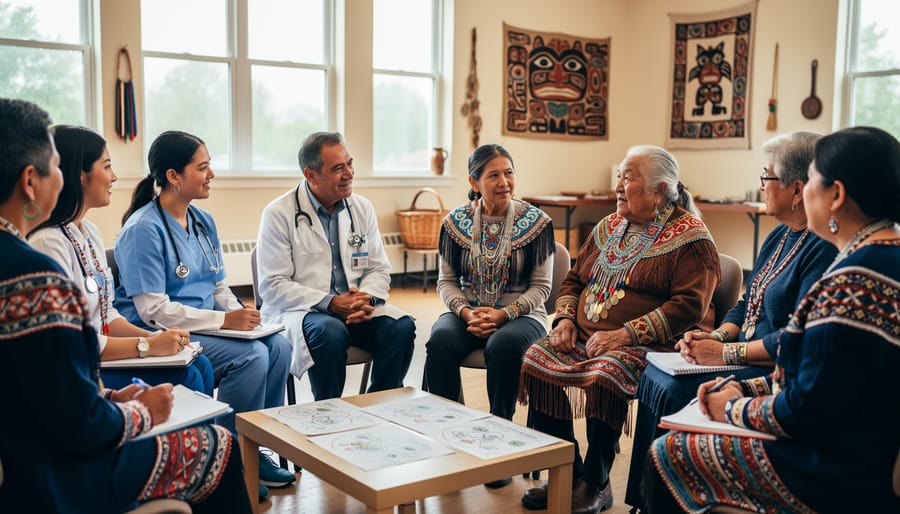
Seek learning opportunities directly from Indigenous communities rather than relying solely on academic sources. Many organizations offer Indigenous-led workshops and cultural safety training specifically for healthcare providers. If your hospital or clinic has Indigenous patient navigators or cultural liaison workers, ask if they offer informal learning sessions. Attend community events when invited, always as a respectful guest rather than an expert.
Build learning into your routine practice. When a patient mentions a traditional healing approach you’re unfamiliar with, ask them to teach you about it. Keep a reflective journal documenting what you’ve learned from patients and how it’s changing your approach to care. Join local Indigenous health networks or working groups where you can learn alongside colleagues.
Remember that cultural safety is not a destination but an ongoing journey. You will make mistakes. When you do, acknowledge them, apologize genuinely, and commit to doing better. The willingness to remain humble and keep learning matters more than achieving perfect understanding.
Training and Resources for IMGs
Licensing Requirements and Expectations
Provincial licensing bodies across Canada increasingly recognize cultural safety as essential to competent medical practice, particularly when working with Indigenous patients. While specific requirements vary by province, most medical regulatory authorities now expect physicians to demonstrate foundational knowledge of Indigenous health issues, including awareness of how historical policies have shaped current health disparities and ongoing distrust of healthcare systems.
During the licensing process, you may encounter questions about cultural safety principles during interviews or written examinations. Some provinces require completion of specific cultural competency modules before full licensure, while others integrate these expectations into continuing medical education requirements. The emphasis is not on memorizing facts about Indigenous cultures, but on demonstrating an understanding of cultural humility, respect for traditional healing practices, and commitment to ongoing learning.
Assessors typically look for evidence that you recognize Indigenous healing practices as legitimate approaches to wellness, understand the importance of collaborating with traditional healers when appropriate, and can articulate how you would respond respectfully if a patient discloses using traditional medicines alongside prescribed treatments. They want to see that you view cultural safety not as a checkbox exercise but as an evolving practice that requires self-reflection and willingness to adapt your clinical approach.
Success Stories: IMGs Bridging Medical Traditions
Dr. Amara Okafor arrived in Canada from Nigeria with comprehensive training in tropical medicine but limited exposure to Indigenous healing practices. During her family medicine residency in rural Alberta, a Cree patient mentioned using sweetgrass ceremonies alongside her diabetes management. Rather than dismissing this or moving past it, Dr. Okafor asked questions, listened carefully, and requested guidance from an Elder the patient trusted. That conversation opened a door. She began attending cultural safety workshops, sought mentorship from Indigenous physicians, and gradually learned to create space in her practice for patients to discuss all their healing approaches. Today, she routinely collaborates with traditional healers in her community, coordinates care plans that honor both traditions, and reports that this integration has dramatically improved patient adherence and health outcomes. Her willingness to be a learner transformed not only her effectiveness as a physician but also opened unexpected career opportunities in Indigenous health leadership.
Dr. Javier Santos, originally trained in the Philippines, had a similar awakening during his work in northern Manitoba. A young patient’s grandmother explained that the family was delaying a recommended surgery because they needed to complete a healing ceremony first. Instead of viewing this as noncompliance, Dr. Santos worked with the family to understand their timeline and medical needs, ensuring the delay wouldn’t create additional risk while respecting their cultural practices. He sought out Indigenous mentors who taught him about the Medicine Wheel framework and the importance of addressing spiritual wellness alongside physical treatment. That shift in perspective, from seeing traditional practices as obstacles to recognizing them as assets, fundamentally changed how he approached patient care. He now teaches cultural humility to medical residents and credits his Indigenous colleagues and patients as his most important teachers.
Understanding Indigenous healing practices goes beyond checking a box on your cultural competency requirements. It’s about fundamentally changing how you show up for your patients and building the kind of practice that creates real trust and better health outcomes. When you learn to listen to an Elder’s perspective on a patient’s illness, when you make space for ceremony alongside medical treatment, when you work collaboratively with traditional healers rather than dismissing their knowledge, you become a better physician.
This journey will challenge some of what you learned in medical school. It will ask you to sit with discomfort, question assumptions, and recognize that your training, while valuable, doesn’t hold all the answers. That’s not a weakness. It’s the foundation of good medicine in a country as diverse as Canada.
Your career here will be richer for this learning. You’ll build deeper relationships with Indigenous colleagues and patients. You’ll develop clinical skills that make you more effective across all populations. You’ll contribute to a healthcare system that’s slowly, steadily moving toward equity and reconciliation.
Start small. Take one cultural safety course. Reach out to Indigenous health mentors through your provincial medical association. Ask questions with genuine curiosity. The IMGs who’ve walked this path before you, and the mentors waiting to support you, prove that bridging these traditions isn’t just possible. It’s where some of the most meaningful medicine happens.