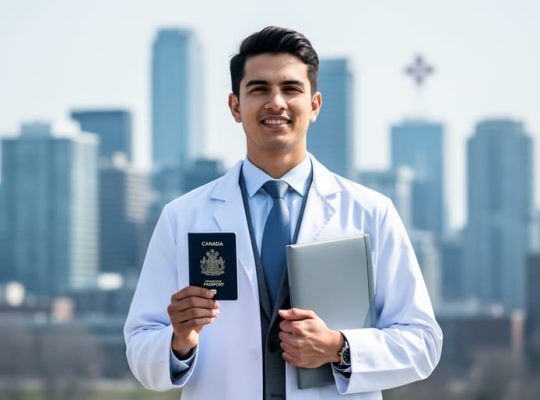

Focus your residency search on programs with documented IMG acceptance rates above 20%, including family medicine programs in Saskatchewan, Manitoba, and Atlantic provinces where international medical graduates historically secure 30-40% of available positions. Research each program’s CaRMS match data from the past three years to identify consistent IMG-friendly patterns rather than one-time anomalies.
Target specialties strategically by prioritizing family medicine, psychiatry, internal medicine, and pathology—disciplines that collectively accept over 60% of matched IMGs annually. Family medicine programs in smaller communities often demonstrate greater openness to international graduates due to physician shortages and retention challenges, creating genuine opportunities for candidates who show commitment to underserved areas.
Connect with IMG mentors who successfully matched within your target programs through provincial medical associations and IMG-specific networking groups. These connections provide insider perspectives on application requirements, interview expectations, and cultural integration strategies that official program descriptions rarely reveal. Many successful IMGs credit mentorship relationships as pivotal factors in their matching success.
Strengthen your application by completing Canadian clinical experiences, obtaining strong reference letters from Canadian physicians, and demonstrating province-specific healthcare knowledge during interviews. Programs assess not just your medical competency but your readiness to integrate into Canadian healthcare culture and serve diverse patient populations effectively.
Understanding which residency programs actively welcome international medical graduates transforms an overwhelming application process into a focused, strategic pathway toward your Canadian medical career. The right program match exists for dedicated IMGs willing to research thoroughly and prepare systematically.
What Makes a Residency Program IMG-Friendly?
Understanding what makes a residency program truly IMG-friendly is essential for focusing your application efforts strategically. These programs share several distinctive characteristics that create welcoming environments for international medical graduates.
The most obvious indicator is acceptance rates. IMG-friendly programs typically maintain a track record of consistently accepting international medical graduates, often with acceptance rates ranging from 10% to 40% for IMGs, compared to programs that rarely or never match with international graduates. These statistics are publicly available through CaRMS (Canadian Resident Matching Service) data, which you should review carefully when researching programs.
A key distinction you need to understand is the difference between IMG-specific positions and standard CaRMS matches. Some programs designate specific residency spots exclusively for international medical graduates, which significantly improves your chances since you’re not competing directly with Canadian medical school graduates. These dedicated IMG positions represent reserved seats that demonstrate a program’s institutional commitment to training international physicians.
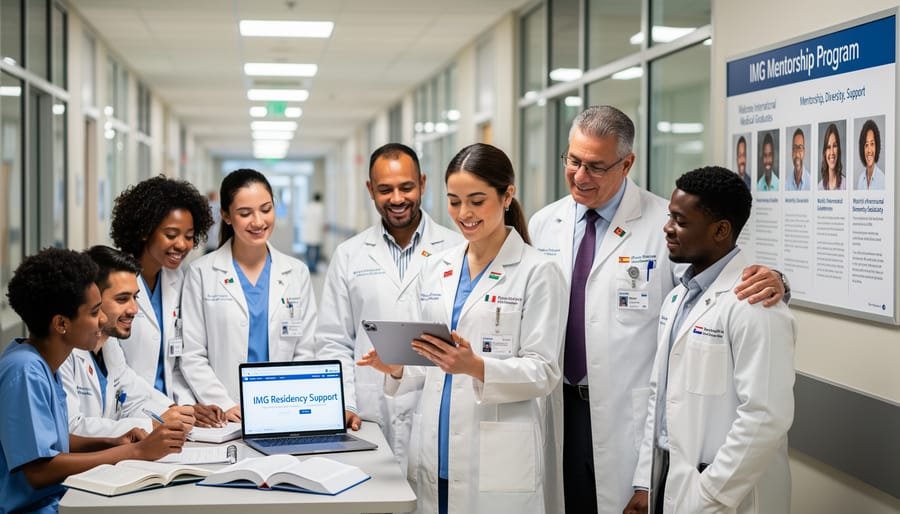
Beyond numbers, truly IMG-friendly programs offer robust support structures. Look for programs that provide mentorship programs pairing you with faculty members or senior residents who understand the unique challenges IMGs face. These mentors can guide you through both clinical expectations and the practical aspects of adapting to Canadian healthcare culture.
Cultural competency training is another hallmark of welcoming programs. The best programs recognize that adjusting to a new medical system involves more than clinical skills—they offer orientation sessions, language support when needed, and resources to help you navigate workplace culture and communication styles in Canadian hospitals.
Supportive faculty members make an enormous difference in your residency experience. IMG-friendly programs employ educators who value the diverse perspectives and experiences international graduates bring, viewing your background as an asset rather than a deficit. Many successful IMGs report that having even one champion on faculty who advocated for their applications made a critical difference in securing their position.
When researching programs, connect with current IMG residents who can share firsthand insights about the program’s culture and support systems—their experiences will reveal whether a program’s IMG-friendly reputation matches reality.
Top IMG-Friendly Specialties in Canada
Family Medicine: The Most Accessible Path
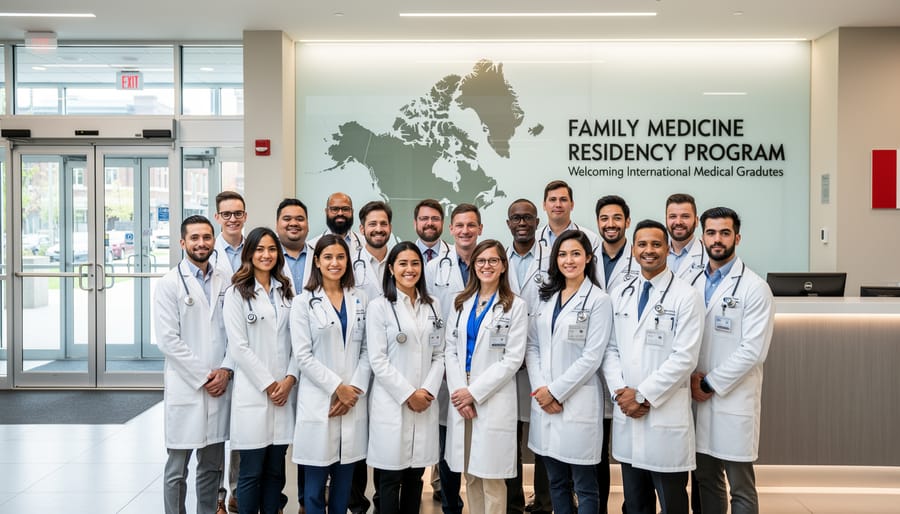
Family medicine consistently ranks among the most IMG-friendly specialties in Canada, offering numerous opportunities for international medical graduates to launch their careers. This specialty values the diverse cultural perspectives and broad medical experience that IMGs bring, making it an excellent entry point into the Canadian healthcare system.
Programs like the University of Alberta, McMaster University, and Memorial University of Newfoundland have established strong track records of accepting and supporting international graduates. These institutions recognize that family physicians with international backgrounds can better serve Canada’s increasingly multicultural communities. In recent years, family medicine programs have filled approximately 30-40% of their positions with IMGs, significantly higher than most other specialties.
What makes family medicine particularly accessible is the growing demand for primary care physicians across Canada, especially in rural and underserved areas. Many programs offer dedicated IMG streams or reserve specific positions for international graduates, acknowledging the unique pathways and challenges you face.
Career prospects in family medicine are exceptionally promising. You’ll find opportunities in community clinics, hospital-based practices, and rural healthcare settings. The specialty also offers flexibility for future specialization through additional training in areas like sports medicine, emergency medicine, or palliative care.
Success stories abound in this field. Dr. Maria Santos, an IMG from the Philippines, matched into a family medicine program in Saskatchewan and now leads a thriving practice serving immigrant communities. Her journey demonstrates that with determination and the right program fit, family medicine can provide both professional fulfillment and meaningful community impact for international medical graduates.
Psychiatry and Mental Health
Psychiatry residency programs consistently rank among the most welcoming specialties for international medical graduates in Canada. The growing mental health crisis across the country has created substantial demand for psychiatrists, making programs more receptive to IMGs who demonstrate strong clinical skills and genuine passion for mental health care.
Many psychiatry departments actively seek IMGs because of the unique cultural competency and diverse perspectives they bring to patient care. Your background as an IMG often means you can connect with multicultural patient populations and understand mental health through various cultural lenses—a tremendous asset in Canada’s diverse communities. Programs in provinces like Saskatchewan, Manitoba, and Atlantic Canada have shown particular openness to IMG applicants in psychiatry.
The subspecialty offers various pathways including child and adolescent psychiatry, geriatric psychiatry, and addiction medicine, providing flexibility in your career direction. Success stories abound of IMGs who’ve built thriving psychiatry practices after completing Canadian residencies, often serving underserved communities where their multicultural expertise proves invaluable. When applying, emphasize your cultural awareness, language skills, and any mental health experience from your home country. Strong reference letters highlighting your empathy and communication abilities significantly strengthen your application in this relationship-centered specialty.
Internal Medicine and Subspecialties
Internal medicine stands as one of the most IMG-friendly specialties in Canada, consistently offering numerous training positions to international medical graduates. This pathway provides excellent opportunities not only for initial residency training but also for specialized fellowship programs in areas like cardiology, gastroenterology, and infectious diseases.
Several Canadian internal medicine programs have established strong track records of accepting and supporting IMGs. University of Saskatchewan, University of Manitoba, and Memorial University of Newfoundland frequently welcome international graduates into their programs. These institutions recognize the diverse clinical experiences IMGs bring and often provide dedicated orientation programs to help you transition smoothly into the Canadian healthcare system.
What makes internal medicine particularly attractive is the emphasis on mentorship throughout training. Many programs pair IMG residents with senior physicians who understand the unique challenges of adapting to a new medical system. These mentorship relationships often extend beyond residency, helping you navigate fellowship applications and career planning.
Success stories abound in this field. Dr. Ahmed, an IMG from Egypt, completed his internal medicine residency at University of Manitoba before pursuing a cardiology fellowship. He credits the supportive faculty and structured teaching environment for his success. The broad scope of internal medicine, combined with multiple subspecialty pathways, makes this an ideal choice for IMGs seeking both training accessibility and long-term career flexibility in Canada.
Anesthesiology and Other Opportunities
Beyond the commonly discussed specialties, several other fields offer meaningful opportunities for IMGs in Canada. Anesthesiology programs have shown consistent openness to international graduates, particularly at community-based teaching hospitals where mentorship programs help IMGs transition smoothly into the Canadian healthcare system. Pathology and laboratory medicine also present excellent pathways, with less competition and strong demand for qualified physicians.
Emerging opportunities include physical medicine and rehabilitation, where several programs actively recruit IMGs and provide comprehensive orientation support. Psychiatry continues to expand its IMG-friendly initiatives, recognizing the value that diverse cultural perspectives bring to mental health care. Medical microbiology and diagnostic radiology at select institutions have also demonstrated success in integrating international graduates.
Many IMGs have found their ideal match in these specialties after initially considering more competitive fields. Research each program’s recent match statistics and connect with current IMG residents to understand the application landscape. Remember that program culture and support systems matter as much as acceptance rates when choosing where to apply.
Canadian Provinces and Universities Leading in IMG Support
Canada’s provinces show varying levels of support for international medical graduates, with some regions standing out as particularly welcoming destinations for IMGs seeking residency positions.
Ontario leads the nation in IMG-friendly opportunities, hosting numerous teaching hospitals and universities with established pathways for international graduates. The University of Toronto, McMaster University, and the University of Ottawa consistently accept IMGs across multiple specialties. Recent data indicates that Ontario’s teaching hospitals collectively fill approximately 15-20% of their residency positions with IMGs annually. The province’s large healthcare system and diverse patient population create substantial demand for physicians, translating into more training opportunities.
Saskatchewan has earned recognition as one of the most IMG-supportive provinces in Canada. The University of Saskatchewan’s residency programs regularly welcome international graduates, particularly in family medicine, internal medicine, and psychiatry. Statistics show that IMGs comprise roughly 30% of the province’s residency positions in certain years, reflecting the province’s commitment to addressing physician shortages in both urban and rural communities.
Alberta’s two medical schools, the University of Alberta and the University of Calgary, maintain active IMG recruitment initiatives. Family medicine programs in Alberta have particularly strong track records, with acceptance rates for IMGs reaching 25% in competitive cycles. Both institutions emphasize mentorship programs that pair incoming IMG residents with faculty members who understand the unique challenges of transitioning to Canadian medical practice.
Manitoba, through the University of Manitoba, offers dedicated IMG streams in family medicine and several other specialties. The province’s IMG-friendly approach includes pre-residency assessment programs that help international graduates demonstrate their competencies before entering training positions.
Newfoundland and Labrador’s Memorial University has established itself as an IMG champion, with acceptance rates exceeding national averages. The province’s geographic location and healthcare needs create opportunities for motivated IMGs willing to serve underserved communities.
Success stories abound across these provinces. Dr. Amira Hassan, who matched into internal medicine at the University of Saskatchewan, credits the province’s welcoming environment and structured mentorship for her smooth transition. Similarly, Dr. Carlos Martinez found his path through Alberta’s family medicine program, where he now serves as a mentor to incoming IMGs, demonstrating the supportive culture these provinces cultivate.
How to Identify and Research IMG-Friendly Programs
Finding IMG-friendly residency programs requires strategic research and utilizing multiple resources. Start by examining CaRMS (Canadian Residency Matching Service) data, which publishes annual reports detailing match statistics. These reports break down how many IMG positions were available in each specialty and which programs historically accept international graduates. Pay close attention to the number of IMG positions offered versus the number of applicants—this ratio gives you realistic insight into your chances.
Connect directly with current IMG residents whenever possible. These individuals have walked the path you’re on and can provide invaluable firsthand information about program culture, support systems, and application tips. Many programs list their current residents on their websites, and reaching out through professional LinkedIn messages or email often yields helpful responses. Don’t hesitate to ask specific questions about their application experience, interview process, and integration into the program.
Attend virtual and in-person information sessions hosted by residency programs. These sessions, often held during conference seasons or recruitment periods, allow you to ask questions and demonstrate genuine interest. Program directors and coordinators remember engaged candidates who take initiative to learn about their institutions.
Leverage IMG-specific networks and organizations such as the IMG Canada Network, provincial IMG physician groups, and specialty-specific IMG communities. These networks frequently share updated information about program openings, policy changes, and insider knowledge that isn’t publicly advertised. Online forums and social media groups dedicated to IMGs pursuing Canadian residency can also provide peer support and crowd-sourced insights.
Consider reaching out to program coordinators directly with thoughtful, professional inquiries about their IMG policies and application requirements. While responses vary, many programs appreciate candidates who demonstrate thorough research and genuine interest. Document your findings in a spreadsheet to track which programs align best with your qualifications, interests, and career goals, making your application process more organized and strategic.
Strengthening Your Application for IMG-Friendly Programs
Canadian Clinical Experience: Your Game-Changer
Canadian clinical experience serves as your most powerful differentiator when applying to IMG-friendly residency programs. Program directors consistently emphasize that hands-on exposure to the Canadian healthcare system demonstrates your adaptability, communication skills, and understanding of local medical practices.
Start by securing observerships in your target specialty and institution. These unpaid positions allow you to shadow Canadian physicians, understand interdisciplinary team dynamics, and build meaningful connections with potential references. Many successful IMGs credit their observership supervisors as mentors who later advocated for their residency applications.
Clinical electives take this one step further by allowing active patient involvement under supervision. If possible, complete electives at programs where you plan to apply—this visibility can significantly strengthen your candidacy. Dr. Amira Hassan, an IMG from Egypt, completed three electives in family medicine across Ontario before matching successfully. She notes, “Those rotations showed programs I understood Canadian patient expectations and could integrate seamlessly into their teams.”
Don’t overlook community health centers and rural placements, which often welcome IMGs and provide rich learning experiences. Document every clinical encounter, request detailed reference letters, and maintain professional relationships with your supervisors. This Canadian experience transforms your application from theoretical to tangible, proving you’re ready to contribute meaningfully from day one of residency.
Networking and Mentorship Connections
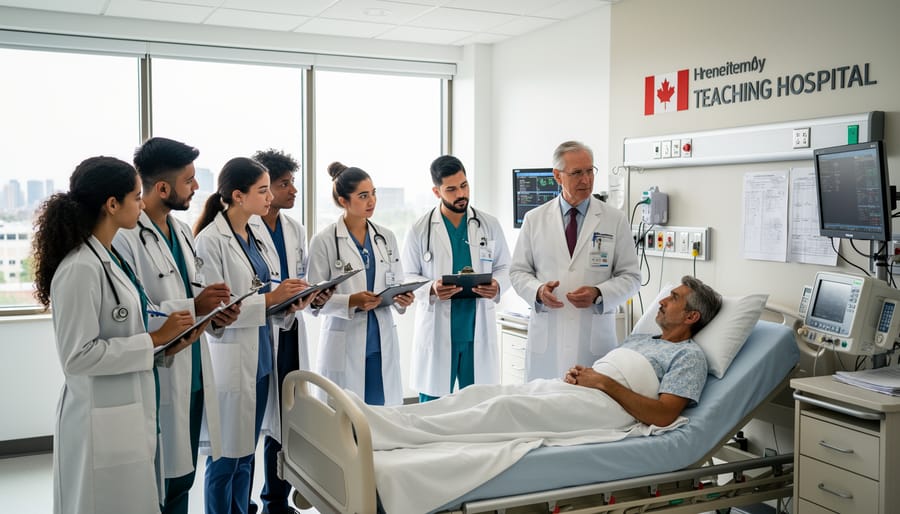
Building meaningful professional relationships can significantly strengthen your residency application and provide invaluable guidance throughout your journey. Start by attending medical conferences, IMG-focused workshops, and Canadian Resident Matching Service (CaRMS) information sessions where you can meet program directors and current residents face-to-face. These interactions allow you to demonstrate genuine interest and learn firsthand about program culture and expectations.
Reach out to current IMG residents in your target specialties through LinkedIn or hospital websites. Many are willing to share their experiences, review application materials, and offer honest advice about what worked for them. Their insights into interview preparation and program-specific preferences can give you a competitive edge.
Connect with IMG mentorship organizations such as the Canadian Association of Physicians of Indian Origin or similar groups representing your background. These communities often facilitate mentorship matching and provide networking opportunities with established physicians who understand your unique challenges.
Consider arranging informational interviews or observerships at programs of interest. These experiences not only enhance your understanding of Canadian healthcare but also help program directors remember your name when reviewing applications. Remember, successful IMGs consistently emphasize that personal connections and mentorship were instrumental in their matching success, transforming the application process from overwhelming to achievable.
Crafting a Compelling Personal Statement
Your personal statement is your opportunity to tell your unique story and demonstrate why you’re an excellent fit for IMG-friendly residency programs. Begin by authentically articulating your motivation for pursuing residency in Canada. Share specific experiences that drew you to Canadian healthcare, whether it’s the patient-centered approach, collaborative culture, or commitment to diversity.
Address your journey as an IMG with confidence rather than defensiveness. If there are gaps in your timeline, explain them constructively. Perhaps you spent time gaining clinical experience, completing research, or obtaining additional certifications. Frame these periods as opportunities for growth that strengthened your clinical skills and cultural competence.
Highlight experiences that demonstrate your adaptability and understanding of Canadian healthcare values. Include any Canadian clinical rotations, volunteer work, or community involvement that shows your integration into the healthcare system. Mention specific interactions with mentors who supported your journey, as this demonstrates your ability to build professional relationships and seek guidance.
Connect your international training to the strengths you bring. Your diverse clinical experiences, exposure to different healthcare systems, and multilingual abilities are valuable assets. Explain how these qualities will enhance your contributions to patient care and the residency program.
Be specific about your specialty choice and why particular programs appeal to you. Research each program’s mission and values, then demonstrate alignment with your goals. Successful IMGs often emphasize their commitment to underserved populations or their unique perspective on healthcare delivery.
Keep your statement concise, genuine, and forward-looking. Focus on what you’ll contribute rather than what you lack, maintaining an optimistic tone that reflects your determination and resilience throughout your medical journey.
Success Stories: IMGs Who Found Their Match
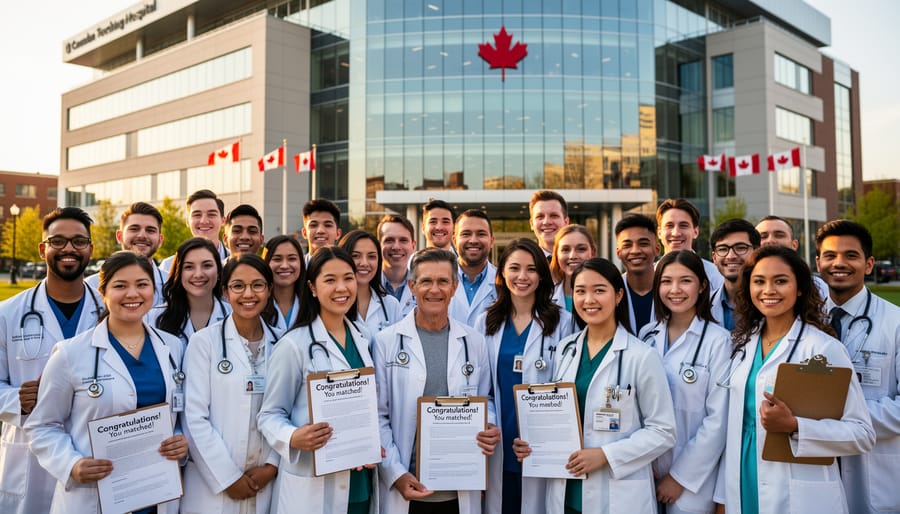
Meeting IMGs who’ve successfully navigated the Canadian residency match can provide both inspiration and practical insights for your own journey. Here are three stories that demonstrate how determination, strategic planning, and the right support can lead to success.
Dr. Priya Shah matched into Family Medicine at the University of Saskatchewan in 2021 after two application cycles. Originally from India, Priya initially struggled with understanding the Canadian application system and which programs actively considered IMGs. Her breakthrough came when she connected with an IMG mentor through a professional networking group who helped her identify IMG-friendly programs and refine her personal statement. She completed clinical electives at community hospitals in Saskatchewan, which allowed her to build strong reference letters and demonstrate her commitment to serving rural communities. Today, she practices in a rural Saskatchewan clinic and credits her success to targeting programs with established IMG tracks and showing genuine interest in their community needs.
Dr. Ahmed Hassan’s path to Internal Medicine at McMaster University took persistence. After an unsuccessful first attempt, he spent a year working as a clinical research assistant while volunteering at a free health clinic serving newcomers. This experience not only strengthened his application but also helped him understand Canadian healthcare culture better. Ahmed participated in CaRMS preparation workshops specifically designed for IMGs and practiced his interview skills extensively with other IMG candidates. He emphasizes that understanding each program’s selection criteria and tailoring applications accordingly made the difference in his second attempt.
Dr. Maria Rodriguez matched into Psychiatry at the University of Manitoba, a specialty she discovered had openings for IMGs during her research phase. She strengthened her application by completing additional psychiatric observerships and obtaining her Canadian medical certifications early in the process. Maria now serves a diverse patient population and actively mentors other IMGs navigating the residency application process, paying forward the support she received.
Common Mistakes to Avoid When Applying
Navigating the residency application process can be challenging, and understanding common mistakes helps you avoid unnecessary setbacks. Many IMGs apply too broadly without a strategic approach, submitting applications to dozens of programs without researching which ones genuinely welcome international graduates. This shotgun method wastes valuable time and resources. Instead, focus on quality over quantity by targeting programs with established IMG acceptance rates and creating tailored applications that demonstrate your genuine interest in each institution.
Another frequent pitfall is neglecting to research program culture and community fit. Programs appreciate candidates who understand their values, patient populations, and teaching philosophies. Take time to explore program websites, connect with current residents through social media or informational interviews, and reference specific aspects of the program in your application materials. This personalized approach shows genuine commitment rather than generic interest.
Weak letters of reference significantly undermine applications. Some IMGs request letters from physicians who barely know them or who are unfamiliar with the Canadian medical system. Build meaningful relationships with supervisors during clinical rotations and research opportunities, ensuring your referees can speak specifically to your clinical competence, work ethic, and potential success in Canadian residency training. Letters should include concrete examples rather than generic praise.
Inadequate interview preparation represents another critical mistake. Some candidates underestimate the importance of understanding Canadian healthcare challenges, ethical frameworks, and communication expectations. Practice common interview questions, participate in mock interviews with mentors who understand the Canadian context, and research current healthcare issues affecting your chosen specialty.
Remember that successful IMGs often emphasize learning from initial setbacks. One IMG shared how her first application cycle taught her the importance of networking and program research, leading to acceptance the following year. Your persistence and strategic improvements make the difference between rejection and acceptance.
Resources and Support Systems for IMGs
Navigating the residency application process as an IMG becomes significantly easier when you have access to the right resources and support systems. Several organizations specifically dedicate themselves to helping international medical graduates succeed in their Canadian medical careers.
The IMG Canada Network serves as a vital resource, offering peer support, application workshops, and guidance from fellow IMGs who have successfully matched into residency positions. Their online forums provide a space to ask questions, share experiences, and connect with others on similar journeys. Many members report that learning from peers who overcame comparable challenges gave them both practical strategies and emotional encouragement during difficult application cycles.
Provincial medical associations often maintain IMG support programs. For instance, HealthForce Ontario assists IMGs through assessment, language training support, and transition programs. Similarly, the College of Physicians and Surgeons in various provinces offer orientation sessions explaining licensure requirements and pathways to practice.
Professional mentorship programs provide invaluable one-on-one guidance. Organizations like the Association of Faculties of Medicine of Canada (AFMC) facilitate connections between current IMGs and those who have successfully completed residency training. These mentors offer insights into program selection, interview preparation, and cultural adaptation within Canadian medical environments. Dr. Priya Sharma, an IMG who matched into family medicine in Saskatchewan, credits her mentor with helping her understand the nuances of Canadian application expectations that weren’t immediately obvious from official guidelines.
Online platforms have also emerged as powerful support tools. Canadian Medical Careers offers comprehensive resources specifically tailored for IMGs, including program databases, application timelines, and strategic advice for strengthening your candidacy. Reddit communities such as r/IMGreddit and Facebook groups dedicated to IMGs in Canada provide real-time updates, application tips, and emotional support during the stressful waiting periods between application submissions and match results.
Remember that seeking support demonstrates wisdom and self-awareness, not weakness. The most successful IMGs actively engage with these resources throughout their journey.
Your journey to securing a residency position in Canada as an international medical graduate is challenging, but entirely achievable. Throughout this guide, you’ve discovered that numerous Canadian residency programs actively welcome IMGs, particularly in family medicine, psychiatry, and other underserved specialties. The key to success lies in adopting a strategic, well-informed approach to your application process.
Remember to focus your efforts on programs with demonstrated IMG acceptance rates, particularly those in smaller communities and rural areas where physician shortages create genuine opportunities. Research each program thoroughly, understand their specific requirements, and tailor your applications to highlight how your unique background and experiences align with their needs. Don’t underestimate the power of networking, connecting with current residents and program directors, and seeking mentorship from IMGs who have successfully navigated this path before you.
The success stories you’ve read aren’t exceptions—they represent what’s possible when determination meets preparation. Each year, hundreds of IMGs like you match into Canadian residency programs, building fulfilling medical careers and contributing invaluable perspectives to Canadian healthcare. Your international training and diverse clinical experiences are assets that many programs actively seek.
Start today by creating your application timeline, identifying your target programs, and strengthening any gaps in your credentials. With persistence, strategic planning, and the right support network, you’re not just dreaming of a Canadian medical career—you’re taking concrete steps toward making it your reality. Your future in Canadian medicine awaits.