

Canada operates a publicly funded, provincially administered healthcare system that guarantees medically necessary hospital and physician services to all residents at no direct cost at the point of care. This single-payer model, established under the Canada Health Act of 1984, differs fundamentally from the insurance-based or private systems in many countries where international medical graduates (IMGs) have trained. Understanding these structural differences isn’t just academic background. It directly shapes how you’ll practice medicine, how patients access your services, and what administrative realities you’ll navigate daily.
For IMGs considering a medical career in Canada, these facts form the foundation of informed decision-making. You’ll work within a system where provincial health insurance plans reimburse physicians, where wait times exist alongside universal access, and where your relationship with patients carries different financial dynamics than fee-for-service private practice in other jurisdictions. The system prioritizes equity and accessibility, meaning your practice will serve diverse patient populations without financial barriers to care.
What makes this knowledge empowering rather than overwhelming is recognizing that thousands of IMGs have successfully transitioned into Canadian practice. They’ve learned to thrive within this framework, building rewarding careers while contributing their unique perspectives to healthcare delivery. The Canadian system offers stability, professional autonomy, and the satisfaction of treating patients based on medical need rather than ability to pay. Grasping these core facts early in your journey positions you to make strategic decisions about licensing pathways, practice locations, and specialization choices that align with both the system’s realities and your professional goals.
How Canadian Healthcare is Structured and Funded
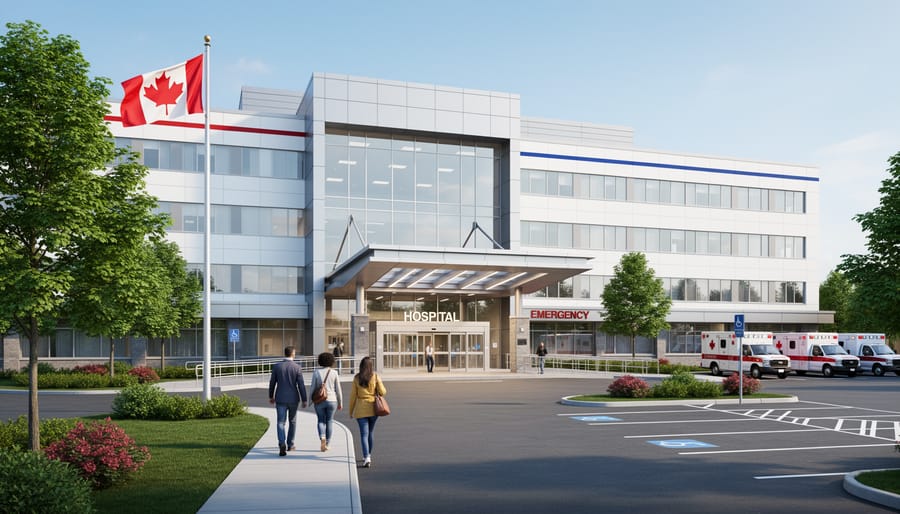
Canada operates a single-payer, universal healthcare system where the government finances essential medical services, but delivery happens primarily through private physicians and facilities. This model differs fundamentally from fully nationalized systems like the UK’s NHS or direct-pay private systems common in many countries.
The foundation rests on the Canada Health Act of 1984, federal legislation that sets national standards while leaving implementation to provinces and territories. Each jurisdiction runs its own health insurance plan, Ontario Health Insurance Plan (OHIP), British Columbia’s Medical Services Plan (MSP), and so on, but must comply with federal principles to receive funding transfers from Ottawa.
Publicly funded coverage includes physician services, hospital care, and diagnostic procedures deemed medically necessary. You won’t bill patients directly for a consultation, surgery, or X-ray ordered for medical reasons. Instead, you submit claims to the provincial health plan, which reimburses based on a fee schedule negotiated between the government and provincial medical associations.
What the universal system doesn’t cover often surprises newcomers. Prescription medications outside hospitals, dental care for adults, vision care, physiotherapy, and many mental health services require private payment or supplementary insurance. About two-thirds of Canadians carry private coverage through employer plans to fill these gaps. As a practicing physician, you’ll frequently write prescriptions patients must pay for themselves or navigate insurance approvals for.
The public-private split extends to practice settings. Most physicians operate as independent contractors with their own medical corporations, not government employees, yet derive income from public insurance. Hospitals are generally non-profit entities with independent boards, funded through provincial budgets rather than fee-for-service billing.
A common misconception is that “free healthcare” means no costs exist. The system is pre-paid through taxation, not free. Another misunderstanding is that everything medical falls under coverage, many supportive and preventive services sit outside the universal umbrella. Understanding this structure helps you set realistic expectations about practice economics, patient access to treatments, and how your billing arrangements will actually work day-to-day.
Key Characteristics That Set Canadian Healthcare Apart

Canadian healthcare’s distinguishing features reflect values and priorities that may differ significantly from what you experienced in your home country. Understanding these characteristics helps you anticipate how you’ll practice medicine here and what patients expect from their healthcare system.
The most frequently discussed characteristic is wait times for non-emergency procedures. While emergency care is delivered quickly regardless of ability to pay, elective surgeries and specialist consultations often involve waiting periods that can range from weeks to months depending on the province and the procedure’s urgency. This triage-based approach prioritizes medical necessity over convenience or payment. You’ll need to manage patient expectations around these timelines and help them understand that waiting doesn’t mean their condition is being ignored. Many IMGs from countries with private-pay systems find this adjustment significant, as patients cannot simply pay to jump the queue for non-urgent care.
The primary care gatekeeping model places family physicians at the centre of the healthcare journey. Patients typically need a referral from their family doctor to see most specialists, except in emergencies or for certain services like walk-in clinics. This system differs from countries where patients can directly access specialists. As a practicing physician in Canada, you’ll either serve as that essential gatekeeper coordinating all aspects of patient care, or you’ll work within this referral system as a specialist. The model strengthens continuity of care and reduces unnecessary specialist visits, but it also means family physicians carry substantial responsibility for comprehensive patient management.
Preventive care receives considerable emphasis throughout the Canadian system. Regular screenings, vaccinations, health counseling, and chronic disease management are integral to practice rather than afterthoughts. Public health initiatives are well-funded, and physicians are expected to be proactive about prevention, not just reactive to illness. This focus aligns with the system’s goal of reducing long-term healthcare costs and improving population health outcomes.
Patient rights and privacy protections are robust and legally enforced. The Personal Information Protection and Electronic Documents Act (PIPEDA) and provincial privacy legislation set strict standards for how you handle patient information. Patients have clear rights to access their medical records, provide informed consent, and refuse treatment. The culture emphasizes patient autonomy and shared decision-making more than hierarchical doctor-patient relationships common in some countries.
These characteristics create a practice environment that balances universal access with resource management, preventive focus with treatment needs, and patient rights with clinical judgment. Your ability to adapt to this framework will directly impact your success and satisfaction as a physician in Canada.
Provincial and Territorial Variations in Healthcare Delivery

Canada’s universal healthcare framework operates under a single federal law, yet each of the ten provinces and three territories runs its own distinct health insurance plan. This constitutional division means that while core principles remain consistent nationwide, the administrative details, coverage specifics, and pathways for international medical graduates vary significantly depending on where you plan to practice.
The differences extend beyond administrative names. Ontario’s OHIP covers basic dental care for children under 17, while British Columbia’s MSP does not. Quebec requires residents to contribute through provincial taxes rather than premiums, and includes prescription drug coverage for specific populations. Alberta recently reintroduced premiums before eliminating them again, reflecting how policy shifts at the provincial level directly affect healthcare delivery. Northern territories often provide more comprehensive coverage for their smaller populations, including travel costs for medical care not available locally.
| Province/Territory | Health Plan | Unique Coverage Feature | IMG Consideration |
|---|---|---|---|
| Ontario | OHIP | Largest IMG population; additional pediatric dental | Most residency positions; competitive urban markets |
| British Columbia | MSP | No premiums; robust telemedicine integration | IMG-friendly assessments; rural incentives |
| Quebec | RAMQ | Public drug insurance; French language requirement | Separate licensing body; bilingual proficiency mandatory |
| Alberta | AHCIP | Broader supplemental benefits for seniors | Strong rural recruitment; shorter wait times for IMG assessment |
| Nova Scotia | MSI | Enhanced coverage in underserved areas | Physician shortage creates IMG opportunities |
For IMGs, these provincial variations translate into practical career considerations. Licensing processes differ markedly: some provinces offer streamlined assessment routes or practice-ready assessments that allow you to begin working sooner, while others maintain more traditional examination pathways. Rural and remote communities across all provinces actively recruit IMGs with incentive packages, but the structure and generosity of those packages vary. Saskatchewan and Manitoba, for instance, have developed targeted IMG recruitment strategies with defined pathways and financial support that differ from larger provinces.
Understanding these distinctions matters because your choice of province affects not just where you live, but how quickly you can obtain licensure, what patient populations you’ll serve, the scope of services your practice can bill for, and the support systems available during your transition. Research the specific province where you intend to practice early in your planning process, as requirements and opportunities shift based on local workforce needs and policy priorities.
Healthcare Workforce Demographics and Where IMGs Fit In
Canada’s medical workforce comprises approximately 95,000 licensed physicians, and IMGs make up roughly 25% of all practicing doctors nationwide. This substantial representation underscores how integral international graduates are to sustaining healthcare delivery across the country. The Canadian Medical Association reports that this percentage has remained consistent over the past decade, with some provinces relying even more heavily on IMG contributions.
The distribution reveals significant opportunities. About 18% of Canadian physicians practice in rural or remote communities, yet these areas represent 30% of the population. IMGs often find more accessible pathways into these underserved regions, where healthcare needs exceed local supply. Programs targeting rural recruitment actively seek international graduates willing to establish practices outside major metropolitan centers like Toronto, Vancouver, and Montreal.
The specialty versus family medicine split presents another important dimension. Approximately 48% of physicians practice family medicine, while 52% work in various specialties. However, Canada faces a particular shortage of family physicians, especially in smaller communities. This creates substantial demand for IMGs interested in primary care, though opportunities exist across nearly all specialties.
Provincial variations matter considerably. Manitoba and Saskatchewan, for example, have IMG representation exceeding 35% of their physician workforce. Atlantic provinces similarly depend heavily on international graduates. These regions often offer streamlined licensing processes and enhanced support, functioning as a residency fast track for qualified candidates.
The physician shortage is projected to intensify. With approximately 20% of current physicians nearing retirement age and population growth continuing, Canada will need an estimated 30,000 additional doctors by 2030. IMGs represent a critical solution to this workforce challenge, positioning international graduates not as supplementary workers but as essential healthcare providers whose expertise and dedication help maintain Canada’s universal healthcare system.
Patient Demographics and Cultural Considerations
Canada’s patient population reflects one of the world’s most diverse societies, with over 23% of Canadians born outside the country and more than 250 ethnic origins represented in census data. You’ll encounter patients from every continent, speaking hundreds of languages, and bringing varied health beliefs shaped by their cultural backgrounds. This diversity creates both opportunities and responsibilities for physicians practicing in Canada.
Language requirements vary by province. While English dominates most regions, Quebec operates primarily in French, and New Brunswick is officially bilingual. Many urban practices serve communities where other languages, Mandarin, Punjabi, Arabic, Tagalog, Spanish, are spoken at home. Your multilingual abilities or experience with interpreter services will be valuable assets, though professional medical interpreters should always be used for complex discussions about diagnosis, consent, and treatment plans rather than relying on family members.
Indigenous health represents a critical area requiring specialized understanding. First Nations, Métis, and Inuit peoples experience significant health disparities compared to non-Indigenous Canadians, including higher rates of diabetes, tuberculosis, and mental health challenges. Historical trauma from residential schools and ongoing systemic barriers affect health-seeking behaviors and trust in medical institutions. Culturally safe care requires acknowledging this history, respecting Indigenous healing practices, and collaborating with community health workers and traditional healers when appropriate.
Your background as an IMG often positions you to excel in culturally competent care. Having navigated healthcare systems across different countries, you understand how cultural context shapes illness experience and treatment expectations. Many IMGs find that mentorship programs help bridge gaps between their clinical expertise and Canadian cultural nuances, offering guidance on communication styles, patient autonomy expectations, and building trust across cultural differences.
Healthcare Technology and Innovation in Practice

Canada’s healthcare technology landscape varies significantly by province and practice setting, but several core systems shape daily medical practice nationwide. Understanding these tools helps IMGs prepare for the practical realities of working in Canadian healthcare.
Digital health records dominate Canadian medical practice, though the specific platforms differ by region. Ontario physicians typically use systems like OCEAN or proprietary hospital EMRs, while British Columbia relies heavily on CareConnect and Med Access. Alberta operates Netcare, and Quebec uses the Dossier Santé Québec. Most provinces mandate electronic prescribing for controlled substances, and familiarity with these provincial platforms becomes essential during residency training.
Telemedicine expanded dramatically during the pandemic and remains integral to Canadian practice. Virtual care platforms like OTN (Ontario Telemedicine Network), Telus Health, and Dialogue now handle routine consultations, follow-ups, and specialty referrals. Rural practices especially depend on telehealth to connect patients with specialists in urban centers. IMGs should expect virtual care to comprise 15-30% of patient encounters in most settings.
Prescription systems operate electronically through PrescribeIT in participating provinces, linking directly to pharmacies. However, paper prescriptions remain common in some regions, particularly rural areas with limited connectivity.
Technology adoption correlates strongly with practice location. Urban academic centers feature cutting-edge systems and full integration, while rural and remote practices may rely on older platforms or hybrid paper-digital workflows. IMGs entering rural positions should prepare for variable technological infrastructure and potentially slower internet connectivity affecting real-time system access.
Common Questions About Canadian Healthcare for IMGs
IMGs navigating Canada’s healthcare system often have practical questions about day-to-day practice realities that go beyond structural understanding. These concerns typically center on billing mechanics, patient-physician relationships, professional collaboration, and workplace norms that shape medical practice across the country.
How do physicians get paid in Canada?
Most physicians bill provincial health insurance plans on a fee-for-service basis, submitting claims for each patient visit or procedure using standardized billing codes. Some work on salary models in hospitals, community health centers, or newer team-based practices, while others use blended payment models combining fee-for-service with capitation or incentive payments.
Can patients choose their own doctors?
Yes, patients have the freedom to select their family physician and can change doctors if desired, though finding a new primary care provider can be challenging in areas with physician shortages. Patients typically need referrals from their family doctor to see specialists, except in emergency situations.
What is the role of nurse practitioners in Canadian healthcare?
Nurse practitioners work collaboratively with physicians, often managing chronic disease patients, conducting assessments, ordering tests, and prescribing medications within their scope of practice. In many settings, they provide primary care independently, particularly in underserved communities.
How does prescription medication coverage work?
Unlike physician services, prescription drugs are not universally covered under provincial health plans for most Canadians. Coverage varies by province and typically depends on age, income, or specific medical conditions, with many patients relying on private insurance through employers or paying out-of-pocket.
Understanding these operational aspects becomes crucial as you pursue IMG certification and prepare for practice. Work-life balance expectations generally favor reasonable hours compared to many countries, with most provinces regulating resident duty hours and encouraging sustainable practice patterns, though rural and emergency medicine positions may demand more flexibility. Professional autonomy remains high, with physicians making clinical decisions independently while working within evidence-based guidelines and provincial standards of care.
Understanding the facts about Canadian healthcare isn’t just academic knowledge, it’s the foundation you’ll build your entire Canadian medical career on. From the universal coverage model to provincial variations, from workforce demographics to cultural competencies, these insights prepare you to navigate licensing pathways, choose practice locations strategically, and set realistic expectations for your professional life in Canada.
The system you’ll be joining values your contribution. IMGs make up roughly a quarter of practicing physicians across the country, filling critical gaps in both urban and rural communities. Your international training, multilingual abilities, and cross-cultural experience are assets that strengthen Canada’s ability to serve its diverse population.
As you move forward with residency applications, licensing exams, and career planning, return to these foundational facts. They’ll help you make informed decisions about which province aligns with your goals, what specialty areas need you most, and how to position yourself as a strong candidate.
You’re not navigating this path alone. Our platform connects you with mentors who’ve successfully made the transition from IMG to practicing Canadian physician. They understand the challenges because they’ve lived them, and they’re here to help you succeed in a healthcare system that genuinely needs what you bring to the table.